
Five treatments.
One programme.
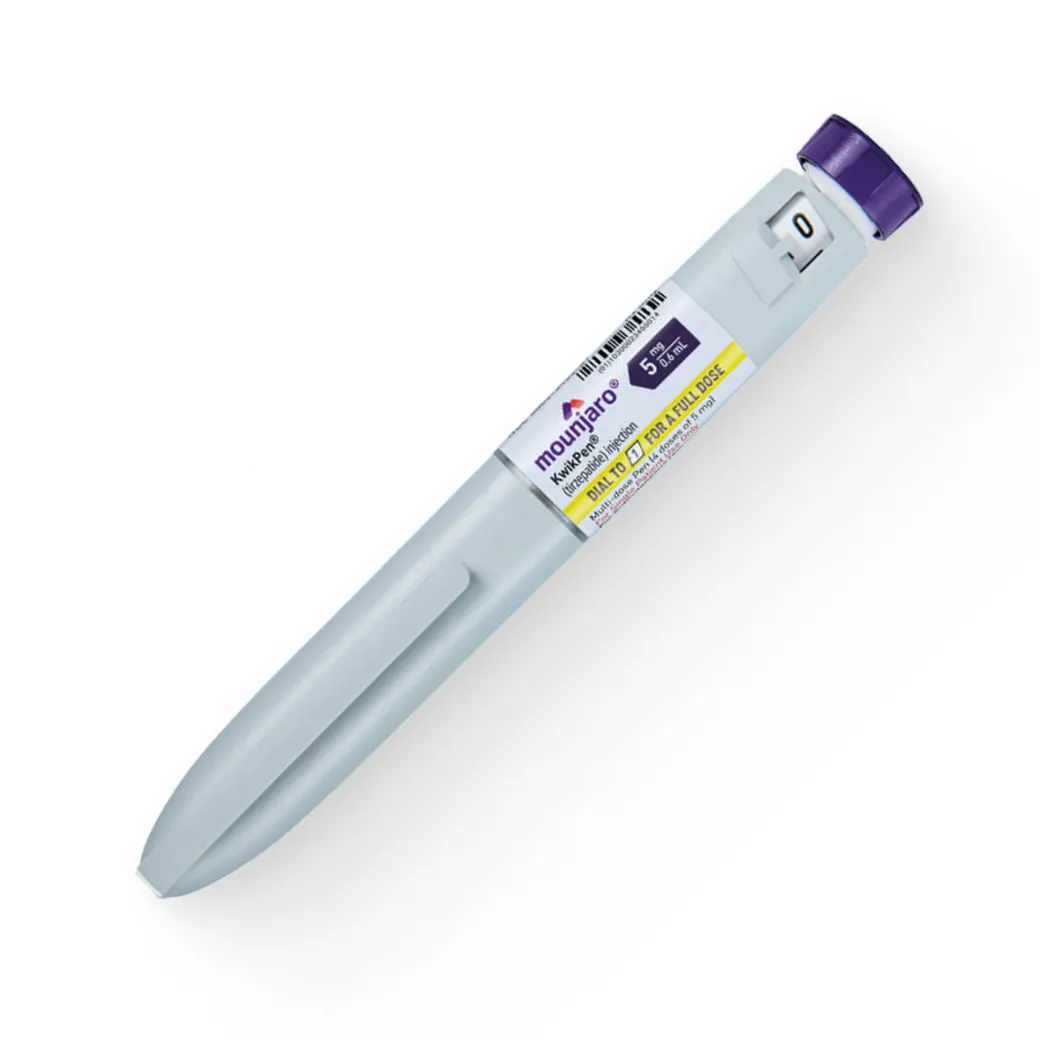
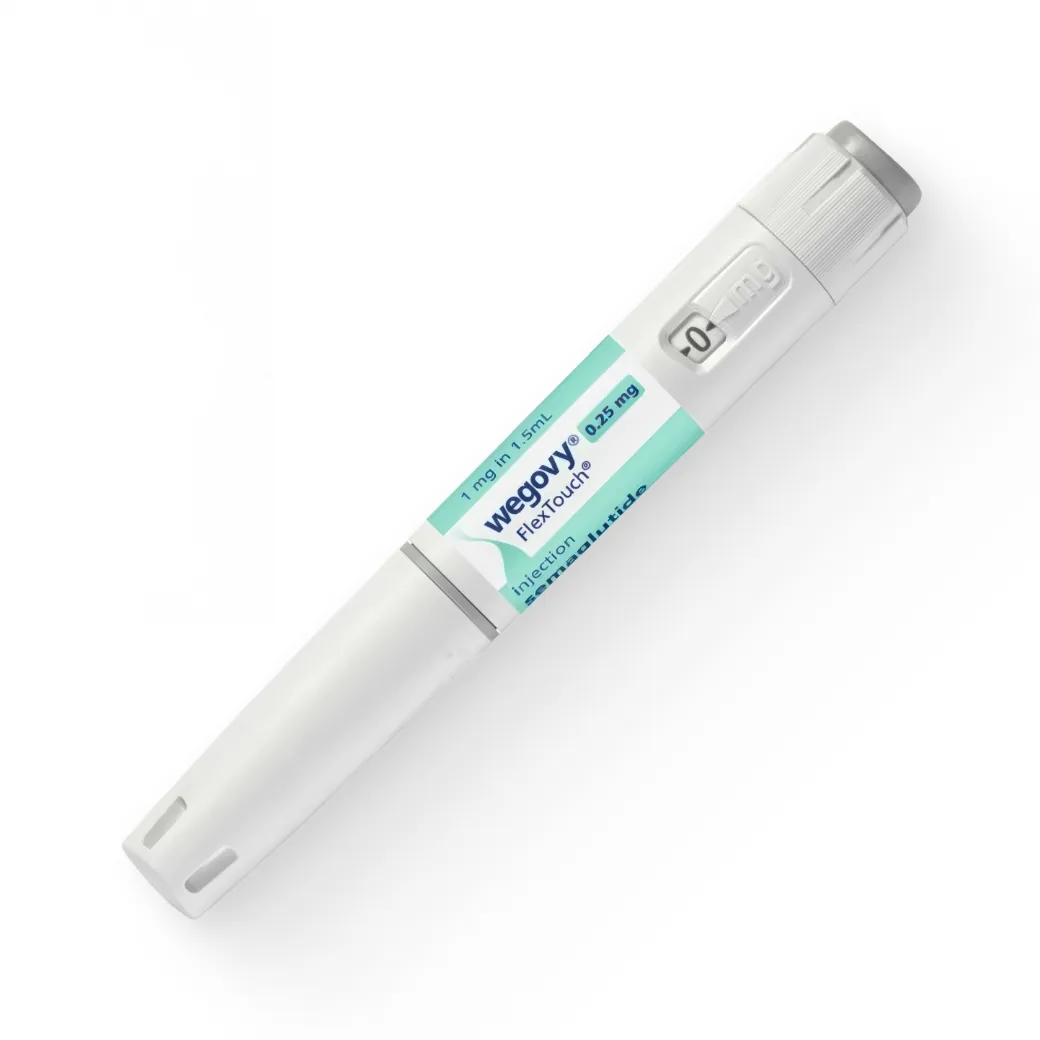
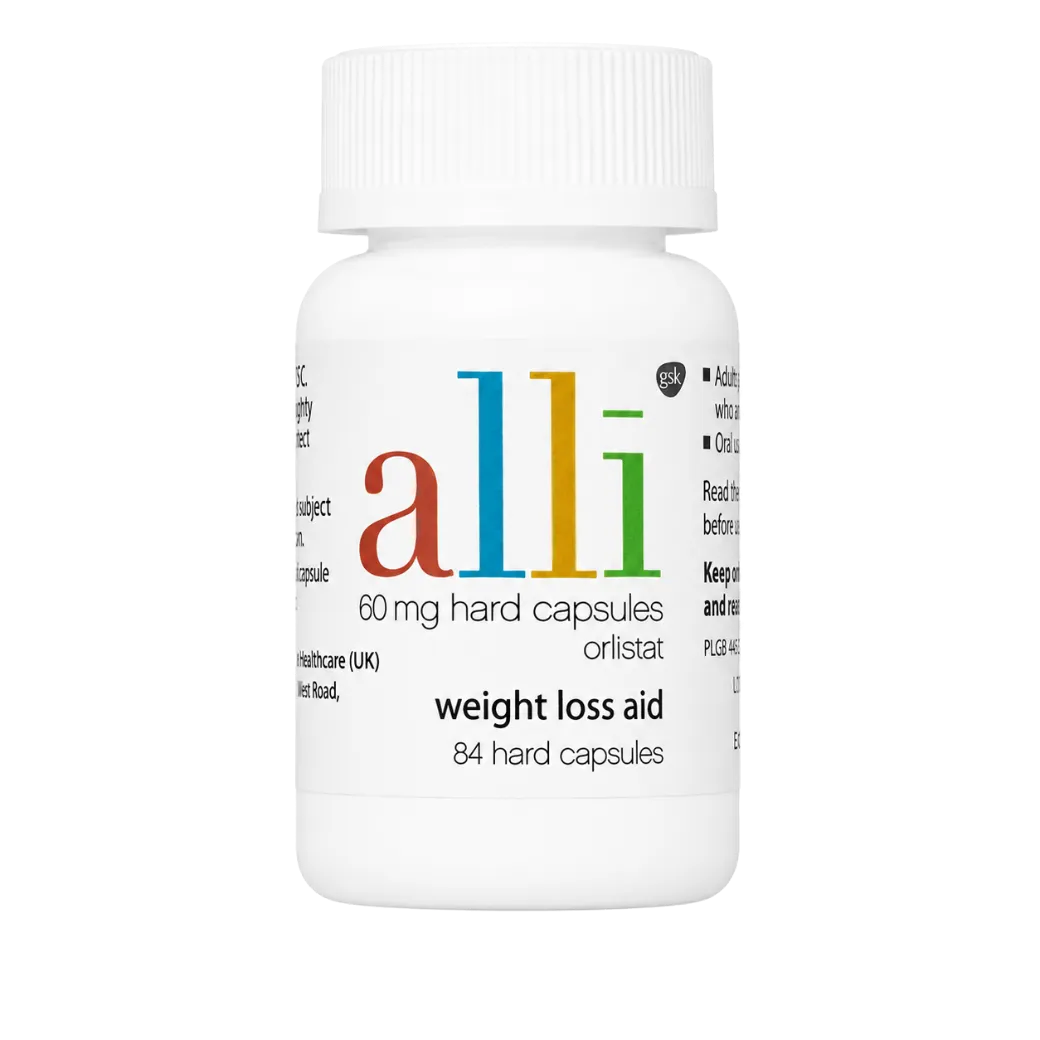
Mounjaro, Wegovy, the Wegovy Pill, Foundayo and Alli. The medication is only part of it - every option comes with doctor oversight, your own coach and the app for one flat fee.
Check eligibility
Available treatments


How GLP-1 medications work
Mounjaro, Wegovy, the Wegovy Pill and Foundayo are all GLP-1 medications. They work with your body's own appetite signals rather than against them.
Reduce how much you crave and eat
These treatments mimic the hormones that regulate appetite, so smaller portions feel satisfying and food takes up less mental space.
Slow the pace of stomach emptying
Food leaves the stomach more slowly, which keeps you fuller for longer between meals.
Steady your blood sugar
More stable blood sugar means fewer crashes and fewer of the cravings that come with them.
How Alli works
Alli is not a GLP-1. It works in the gut rather than on appetite, and needs no prescription.
Blocks fat absorption
About a quarter of the fat in your food is prevented from being absorbed.
Targets digestion
It blocks the enzyme that normally breaks fat down, so the fat stays undigested.
Leaves the body
The unabsorbed fat passes through your system naturally.
Who is weight loss medication for?
Eligibility depends on your BMI and health history. Our doctors, all registered with the General Medical Council, assess every application and will tell you if medication is not the right route for you.
Common questions
Which treatment will I be prescribed?+
You tell us your history and preferences in the eligibility check, and your Everwell doctor decides what is clinically appropriate. Nothing is prescribed automatically - if injections are not right for you, the Wegovy Pill, Foundayo or Alli may be discussed instead.
Can I switch between treatments?+
Yes, under clinical supervision. Switching between GLP-1 medications is common, and your doctor manages the transition. You should only ever take one weight loss medication at a time.
How quickly will I see results?+
Most people notice change within the first few weeks, with more meaningful weight loss over the first three to four months. Doses step up gradually during titration, so early months are as much about your body adjusting as about the number on the scale.
What are the common side effects?+
With GLP-1 treatments the most common are gastrointestinal: nausea, diarrhoea, constipation and reduced appetite. They are usually mild and settle within a couple of weeks. Alli side effects are digestive and linked to fat intake. Your doctor and coach are available throughout to help you manage them.
What does the cost cover?+
Your doctor consultation, prescription, medication, monthly doctor reviews, 1:1 coaching with your own human coach, and the app. Delivery is free and fast within the United Kingdom.
References
- Jastreboff AM, Aronne LJ, Ahmad NN, et al. Tirzepatide Once Weekly for the Treatment of Obesity (SURMOUNT-1). New England Journal of Medicine. 2022;387(3):205-216.
- Wharton S, Freitas P, Hjelmesæth J, et al. Once-weekly semaglutide 7.2 mg in adults with obesity (STEP UP): a randomised, controlled, phase 3b trial. Lancet Diabetes & Endocrinology. 2025;13(11):949-963. Wilding JPH, Batterham RL, Calanna S, et al. Once-Weekly Semaglutide in Adults with Overweight or Obesity (STEP 1). New England Journal of Medicine. 2021;384(11):989-1002.
- Wharton S, Lingvay I, Bogdanski P, et al. Oral semaglutide at a dose of 25 mg in adults with overweight or obesity (OASIS 4). New England Journal of Medicine. 2025;393(11):1077-1087.
- Eli Lilly and Company. FDA approves Foundayo (orforglipron), the only GLP-1 pill for weight loss that can be taken any time of day without food or water restrictions. Press release, April 2026. ATTAIN phase 3 programme.
- Torgerson JS, Hauptman J, Boldrin MN, Sjöström L. XENical in the prevention of Diabetes in Obese Subjects (XENDOS) study. Diabetes Care. 2004;27(1):155-161.
Medical disclaimer: the information on this page is for educational purposes only and does not replace professional medical advice. Individual results vary. Eligibility and suitability are determined by a registered healthcare professional during consultation.